Why people buy physical gold
People come to gold for different reasons, and it helps to know which one is yours before you choose a coin. The common ones are holding wealth outside the banking system, spreading risk away from shares and property, passing something tangible to the next generation, and simply collecting beautiful coins.
Be clear about one thing from the start. Gold is not guaranteed to go up. Its price moves every day, sometimes sharply, and there have been long stretches when it went nowhere. People who do well with gold tend to hold it for years rather than weeks.
Coins or bars?
Both contain gold. The difference is in the details that matter to a British buyer.
| Gold coins | Gold bars | |
|---|---|---|
| Capital Gains Tax | British coins are exempt for UK residents | Gains are taxable |
| VAT | None on investment gold | None on investment gold |
| Premium per gram | Higher, especially small coins | Lower, especially large bars |
| Selling part of a holding | Easy, sell a coin at a time | Harder, a bar is all or nothing |
| Recognition | Instant with any UK dealer | Depends on the refiner |
For most UK buyers the Capital Gains Tax point settles it in favour of British coins. We explain the trade offs fully in gold coins vs gold bars.
Which coin should a beginner buy?
There is no single right answer, but there are two coins that suit almost every British beginner.
- The Gold Britannia: 999.9 fine gold, the Royal Mint’s most secure bullion coin, the lowest premium per gram, and free of Capital Gains Tax for UK residents.
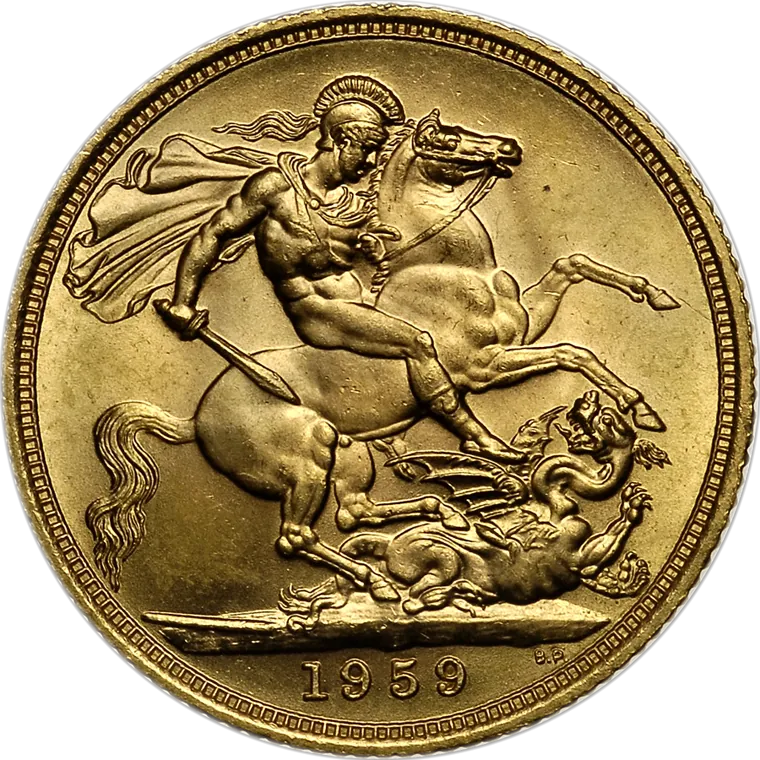
- The Gold Sovereign: 22 carat, over two hundred years of history, recognised by every dealer in the country, and small enough to sell one at a time.
- Fractional coins such as the quarter ounce Britannia or the half sovereign lower the cost of a first purchase, at the price of a higher premium per gram.
If you are torn between the two big names, read Britannia vs Sovereign. If you want the wider picture, read what is the best gold coin to buy.
Bullion, proof or certified?
- Bullion coins are bought for their metal. Their price follows the gold price plus a premium.
- Proof coins are struck to a mirror finish in limited numbers for collectors, usually with a box and certificate.
- Certified coins have been authenticated and graded by NGC or PCGS and sealed in a tamper evident holder. Their price depends on the grade and rarity as much as the gold.
A certified coin contains exactly the same gold as its bullion equivalent. What you are paying extra for is verified condition and scarcity. If you simply want to own gold, bullion does that at the lowest cost. More in bullion vs certified coins.
Understanding purity and weight
- 24 carat gold is 999.9 fine, meaning 99.99 per cent pure. Modern Britannias are 24 carat.
- 22 carat gold is 916.7 fine. The rest is usually copper, which makes the coin harder wearing. Sovereigns and Krugerrands are 22 carat.
- Gold is weighed in troy ounces. One troy ounce is 31.1035 grams, slightly heavier than an ordinary ounce.
- A 22 carat coin is not short changed. A one ounce Krugerrand contains a full ounce of pure gold; the alloy is added on top, which is why it weighs 33.93 grams.
How gold prices are worked out
Every bullion coin has two parts to its price. The spot price is what gold itself is trading at on the world market, quoted per troy ounce and moving through the day. The premium is everything on top: minting, distribution, insurance, and the dealer’s margin.
On this site you can see both. Every coin page breaks its price down into the metal at today’s spot, our premium, and VAT where it applies. Because gold moves constantly, we confirm the final figure with you before any money changes hands. The forces behind the price are covered in why gold prices rise and fall.
VAT and Capital Gains Tax
- VAT: investment gold is exempt in the UK. Silver and platinum are not, and carry twenty per cent.
- Capital Gains Tax: British legal tender coins such as sovereigns and Britannias are exempt for UK residents. Foreign coins like the Krugerrand, and all gold bars, are not.
- Inheritance Tax: gold forms part of an estate like any other asset.
Tax rules change and individual circumstances vary, so treat this as a starting point and take proper advice for your own position. The detail is in VAT and Capital Gains Tax on gold.
Buying safely
- Choose a dealer you can actually reach, by phone and email, before you pay.
- Expect transparent pricing that shows the live market and the premium.
- Check the product description for weight, purity, year and mint.
- Be wary of prices far below everyone else’s. Genuine gold costs roughly the same everywhere.
- Make sure delivery is fully insured, signed for and tracked.
We go through the warning signs in detail in how to buy gold online safely.
Delivery, storage and insurance
Gold should arrive in discreet packaging with nothing on the outside to say what is inside, fully insured until it is in your hands. Once it arrives, keep coins in their capsules or tubes, handle them by the edges, and store them somewhere cool and dry. Check whether your home insurance covers precious metals, because many policies limit or exclude them. Options from home safes to professional vaults are compared in how to store gold coins.
When you come to sell
- Never clean a coin. Even gentle polishing leaves marks that reduce its value.
- Keep the original packaging and any certificates.
- Get more than one quote, and expect a good dealer to explain how they arrived at theirs.
The full process is in how to sell gold coins in the UK.
Questions people ask
Is it legal to buy gold in the UK?
Yes. There are no restrictions on private individuals owning gold coins or bars.
Can I buy just one coin?
Yes. We are happy to sell a single coin, and many of our customers start that way.
What is the best coin for a first purchase?
For most UK buyers, a Britannia or a sovereign. The Britannia gives the most gold for your money; the sovereign is easier to sell a piece at a time.
Why does the price change while I am looking?
Because the gold price moves throughout the day. We confirm your final price with you before you pay.
Do I have to pay VAT on gold coins?
Not on investment gold. Silver and platinum carry VAT at twenty per cent.
Where should I keep my coins?
Somewhere secure, cool and dry, in their original capsules. For larger holdings, a professional vault is worth considering.
This guide is general information, not financial, investment or tax advice. The value of precious metals can go down as well as up.